Berlin, Brutal, Berlin
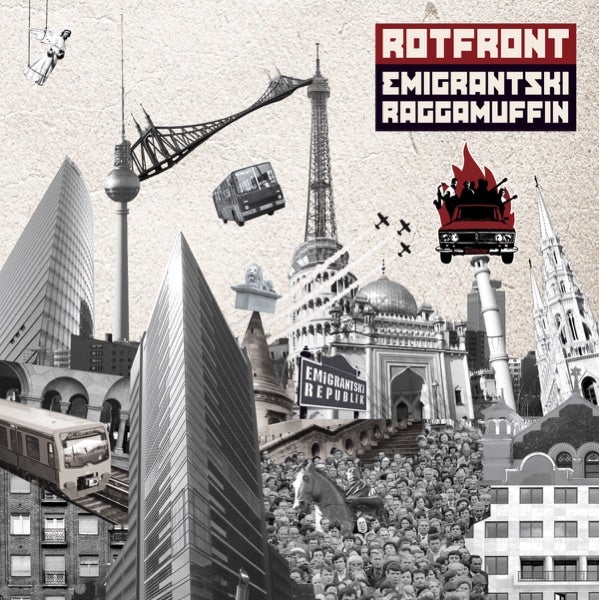
There is a moment in Scooter’s “Berliner Luft” where H.P. Baxxter — a man from Hamm — recites Berlin nightclub names over a melody Paul Lincke wrote for an operetta in 1899: a hundred and twenty-four years of metropolitan self-mythology collapsed into a BPM range that would give Lincke’s string section cardiac arrest. This is a mixtape about singing about Berlin while not being from Berlin — or being from Berlin while singing about somewhere else, or a Berlin that no longer exists. Which is to say: all of them.
Berlin Archaeology in Twenty Sediment Layers
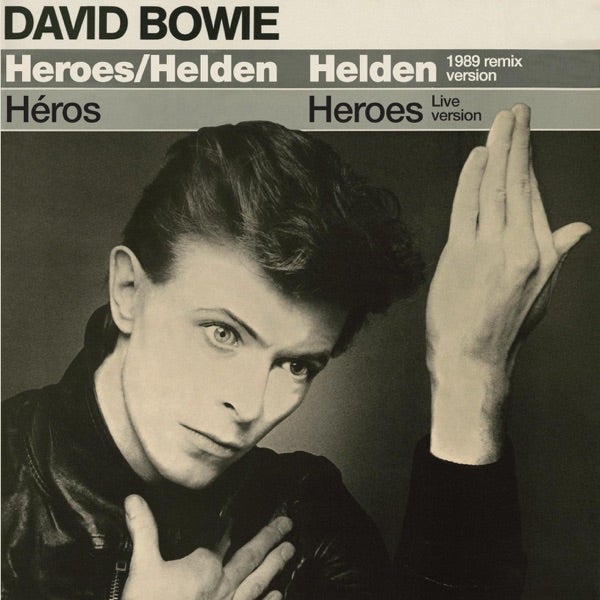
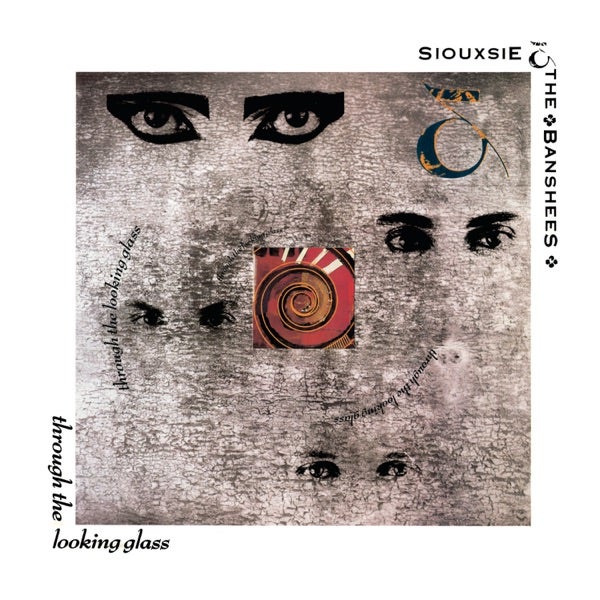
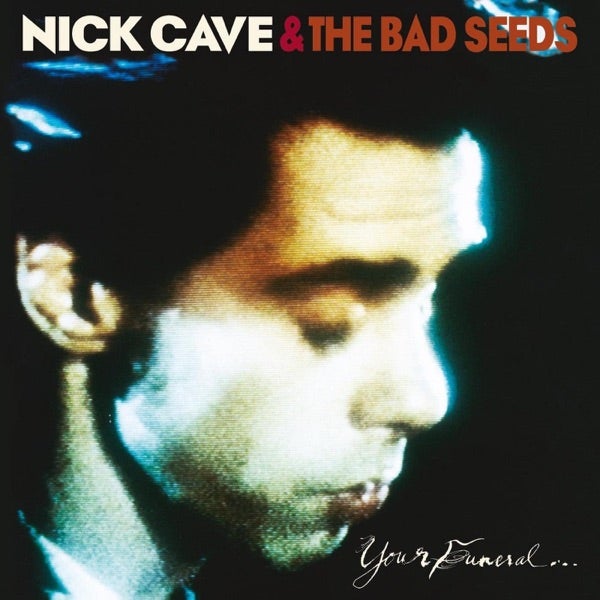
The middle section is organized around a single address: Hansa Studios, Köthener Straße 38, by the Wall. Bowie recorded “Helden” there. Iggy Pop wrote “The Passenger” there, inspired by S-Bahn rides through a city he could observe but never quite inhabit. Nick Cave dragged a dying carnival through its echo chambers. That Pop’s song appears not in the original but through two covers — Siouxsie’s brass-augmented 1987 version and Volbeat’s Danish heavy-rock take — is a decision that borders on polemic: the cover is not the lesser form. The cover is the proof that the original mattered.
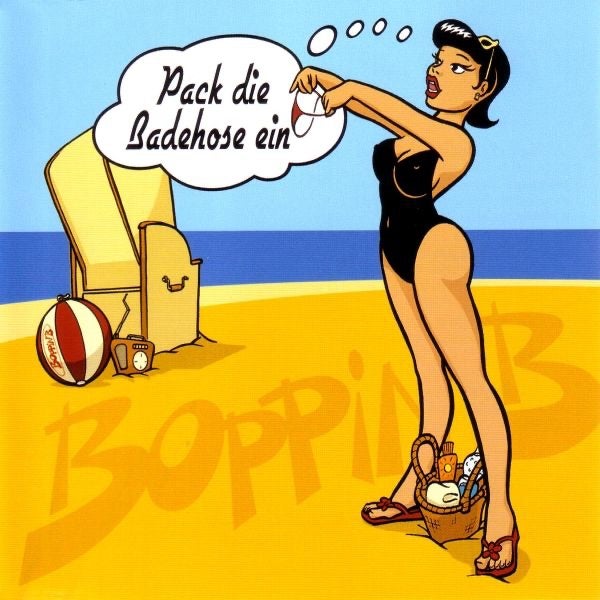
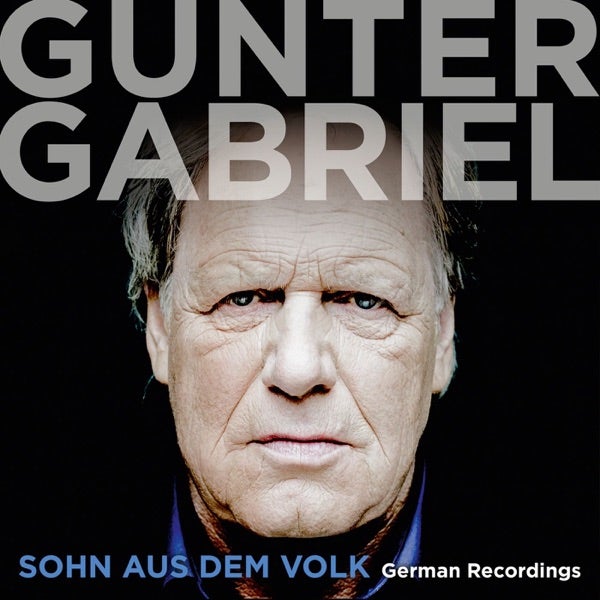
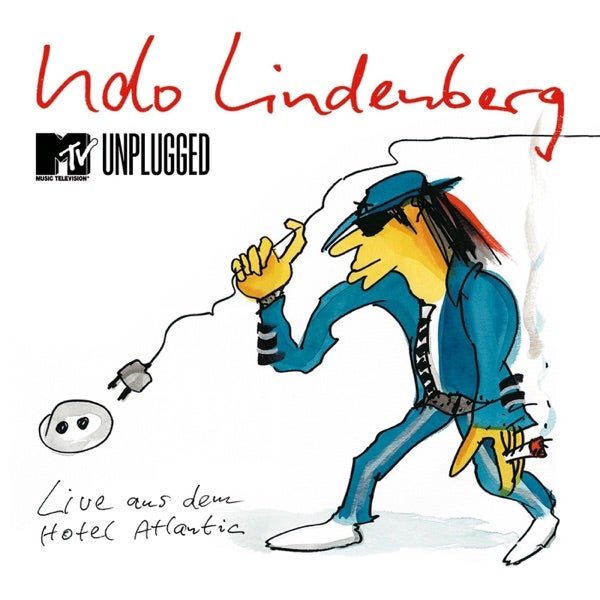
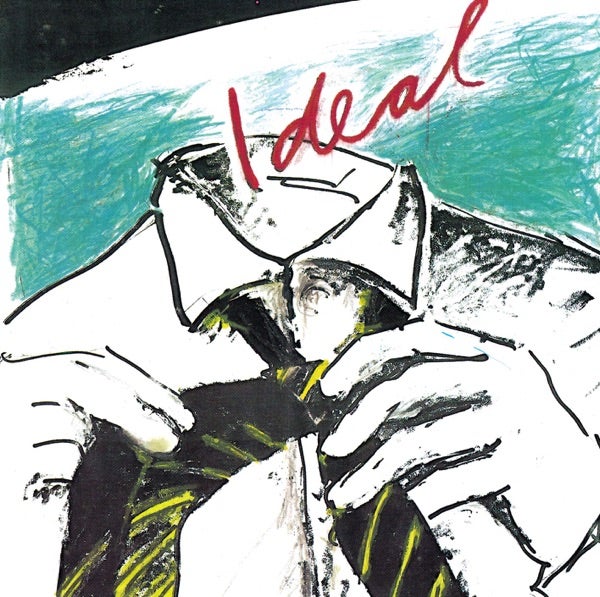
The Humpe sisters are separated by the tracklist the way they were separated by the Neue Deutsche Welle itself: Inga sings with Udo Lindenberg; Annette’s “Blaue Augen,” written for Ideal, returns as Gunter Gabriel’s 2009 country-schlager, sung by a man from Bünde who modeled his whole persona on Johnny Cash. Everything in Berlin eventually becomes something else. The wall comes down. The operetta becomes hardcore. The children’s swimming song becomes rockabilly.
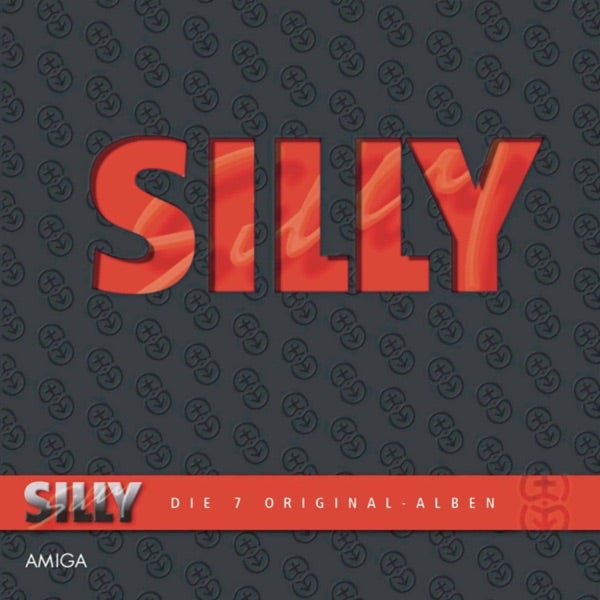
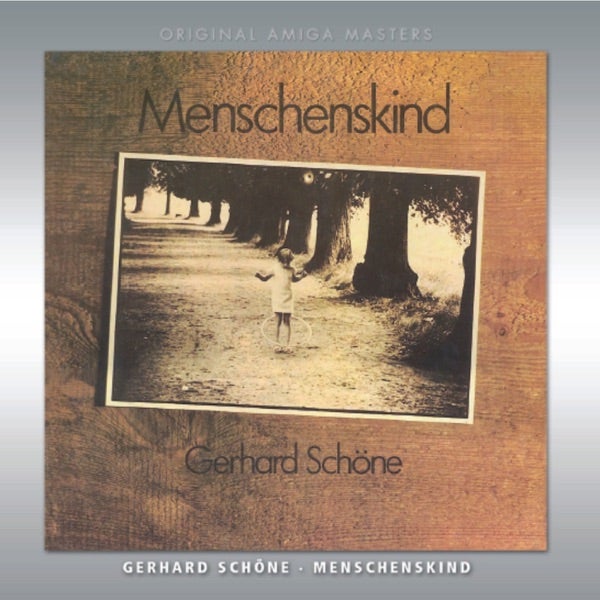
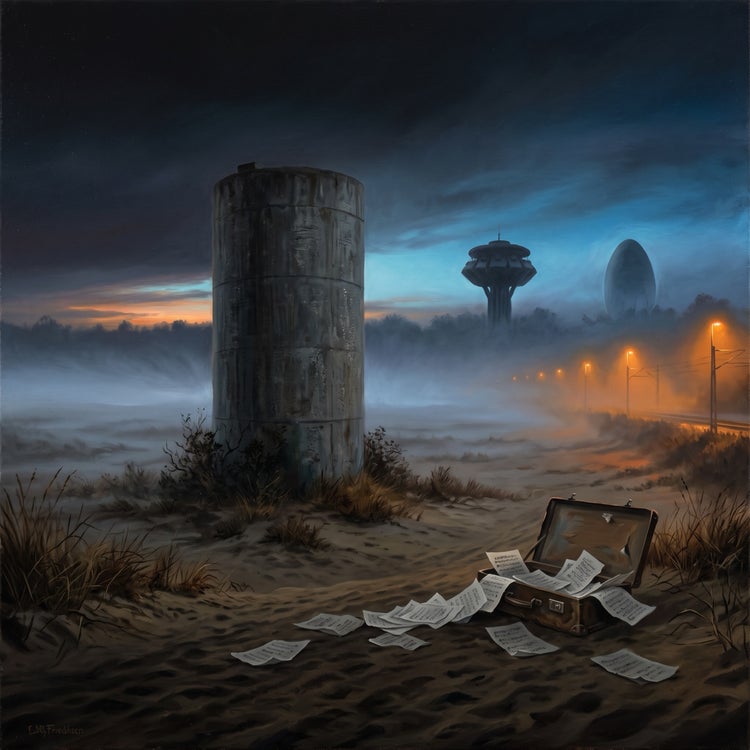
At the dead center sits the label’s own concrete: Kevin Mayfield’s “Sumpf, Sand und Stahlbeton,” a béton-brut hymn — the reinforced heart the whole city is poured around. And it rhymes forward. Silly’s Tamara Danz sings “Mont Klamott,” the rubble mountain the Trümmerfrauen — the rubble women, not the rubble men — piled up stone by stone. And at the very end, Gerhard Schöne sings a blown-up bunker bleaching in the midday sun while sparrows nest in the cracks and children balance on the ruins. The concrete persists. The concrete always persists. The sparrows, Schöne quietly insists, will outlast it.
Play it front to back. It’s a dig, not a shuffle.
Pairs well with concrete dust on the tongue, an S-Bahn ride through Lichtenberg in the rain, and the third beer at Kottbusser Tor.