Repeat After M-M-Me
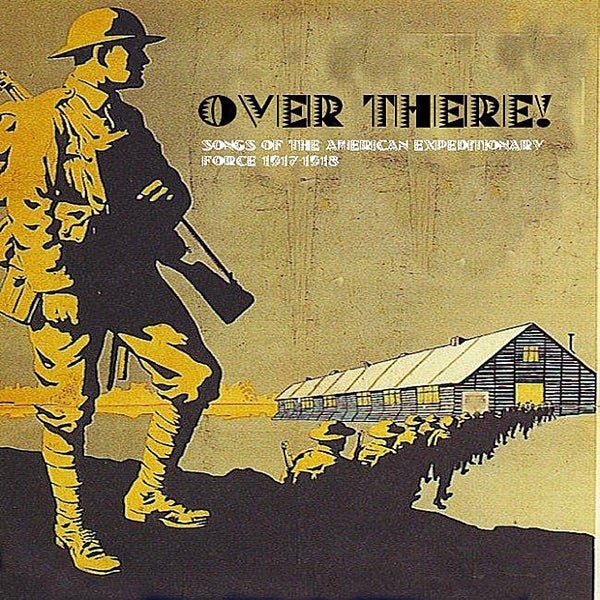
Pop music spent a century pretending the stutter is an ornament. This collection argues it is an engine — twenty-one songs where the voice trips on purpose and lands harder for it, from a 1918 parlour tune teasing a soldier’s proposal to a 1995 eurodance hit by a man who stuttered his whole life.
From Mockery to Weapon
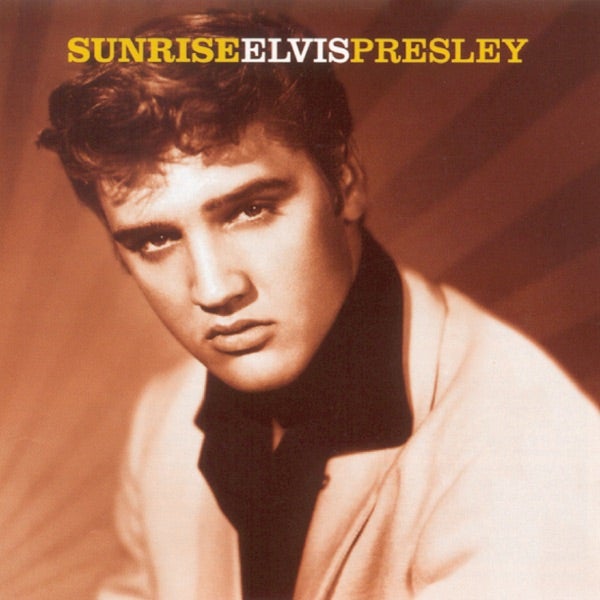
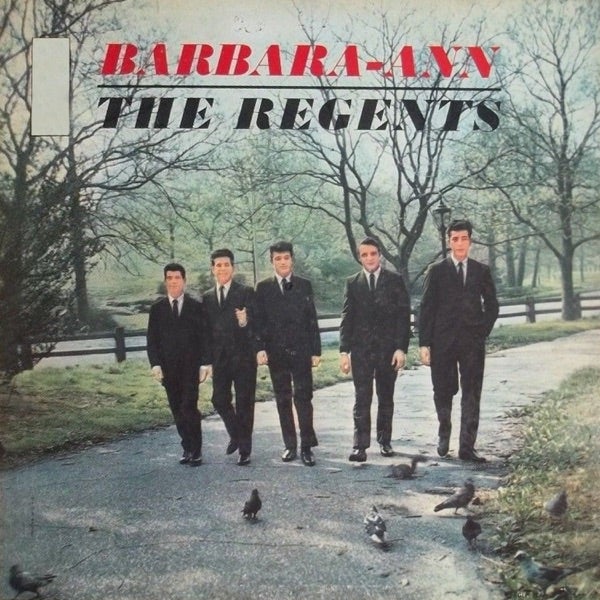
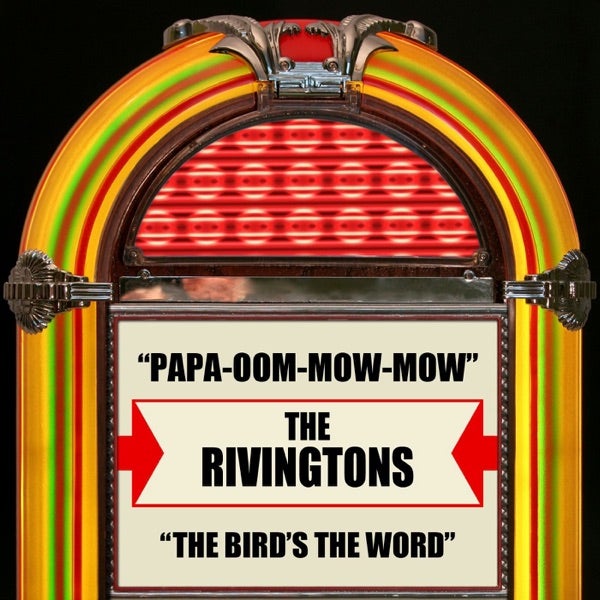
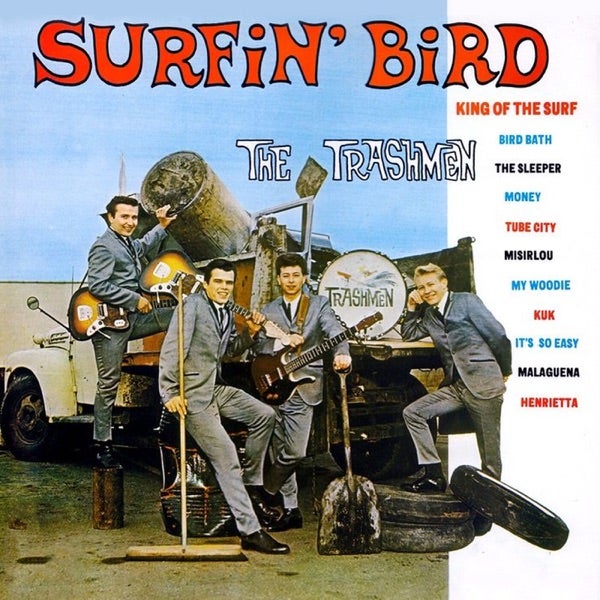
The selections take the road less paved: the Regents before the Beach Boys, the Chords before the Crew-Cuts, Sonny West before Buddy Holly, the Rivingtons before the Trashmen. One deliberate inversion is admitted into evidence — Elvis’s “Baby, Let’s Play House,” the rare case where the famous cover invented the stutter that Arthur Gunter’s 1954 original never had. Proof, if it were needed, that disfluency is a compositional decision and not an accident of delivery.
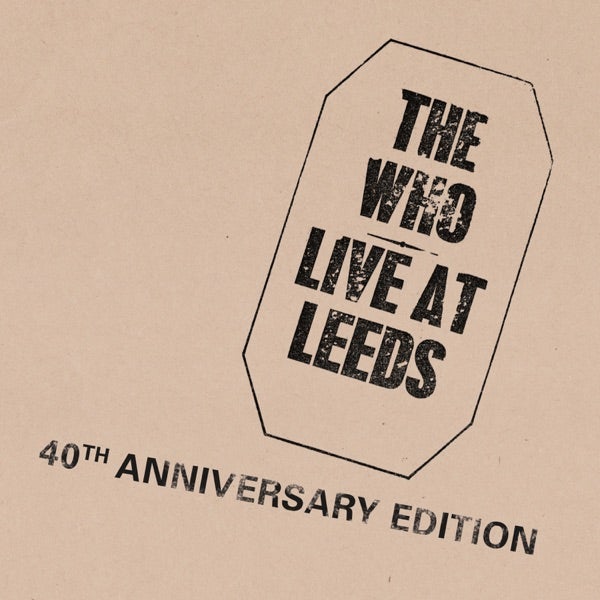
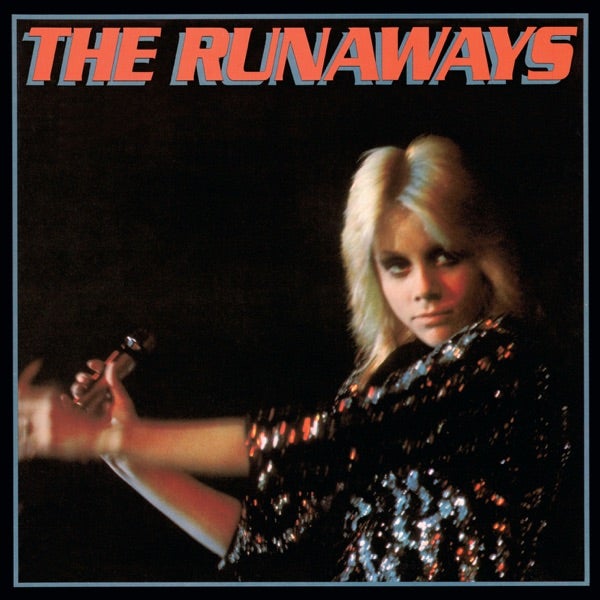
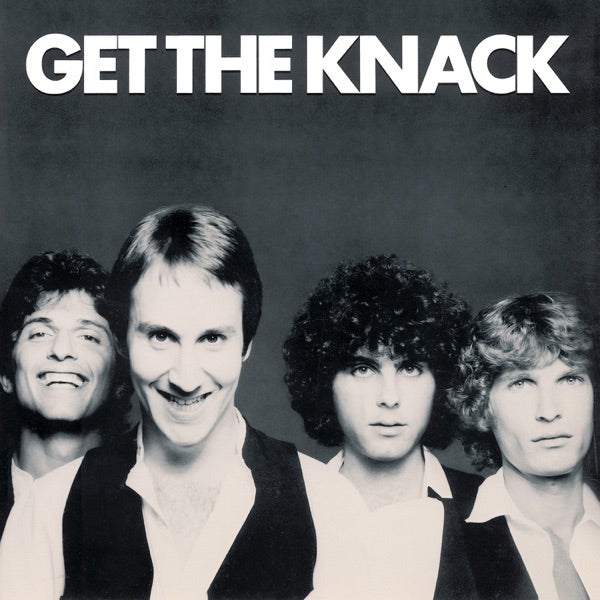
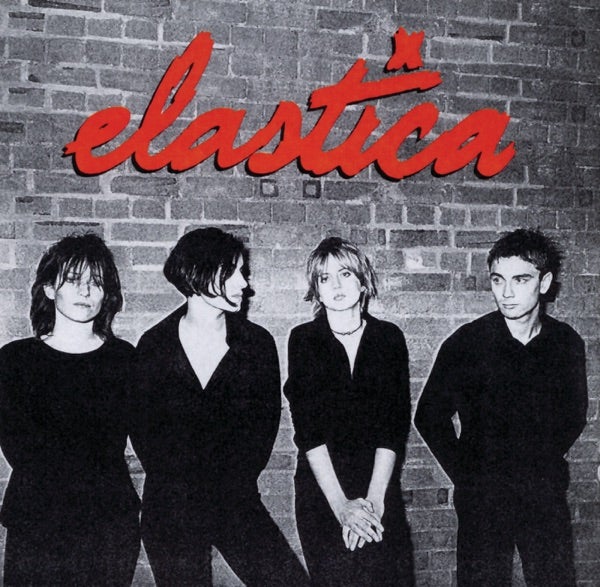
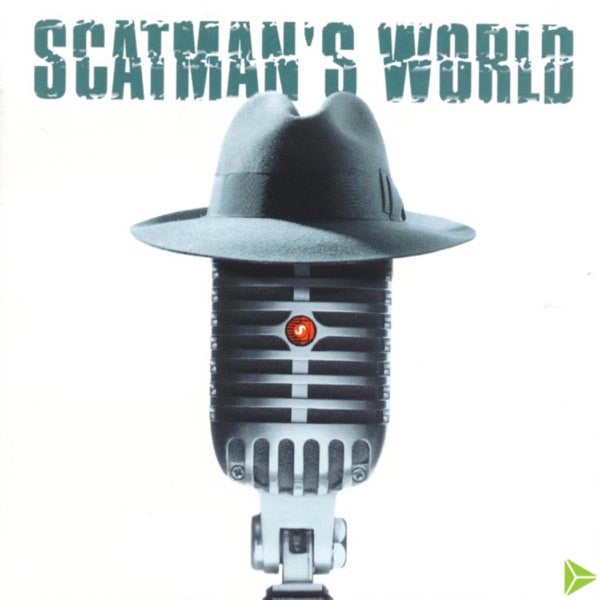
The architecture runs from mockery to weapon. “K-K-K-Katy” and “Tongue-Tied Jill” laugh at the stutterer; the Who’s “My Generation” turns the stutter against the listener; “Scatman” hands the weapon back to the stutterer himself. Between those poles the trip does every other job a song can ask of it — the stutter as fuse (the Runaways), as metronome (the Knack), as entire aesthetic (Trio), and as borrowed identity (Plastic Bertrand, who it later emerged wasn’t even the one singing). Repetition, it turns out, is the sincerest form of emphasis.
Play it front to back. The tape opens on a soldier being teased for a stammer and closes on John Larkin turning a lifelong one into a hook the whole world sang back — mockery in, mastery out. The wound, handled right, becomes the instrument.
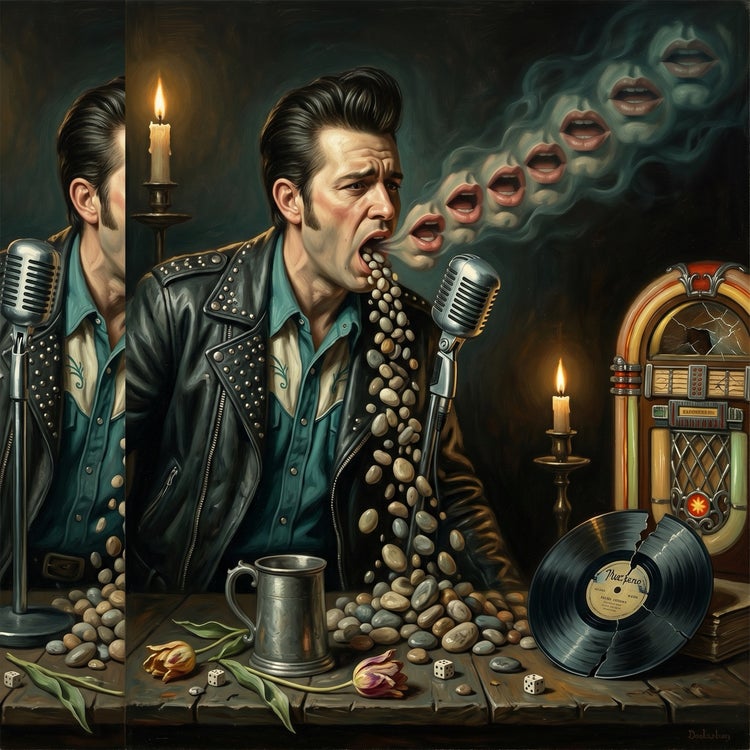
Pairs well with a skipping CD you refuse to replace, Demosthenes’ mouthful of pebbles, and a second espresso you d-d-definitely don’t need.